
Technology and operations diagnosis
A review of processes, systems and constraints to decide which technology fits and in what order.
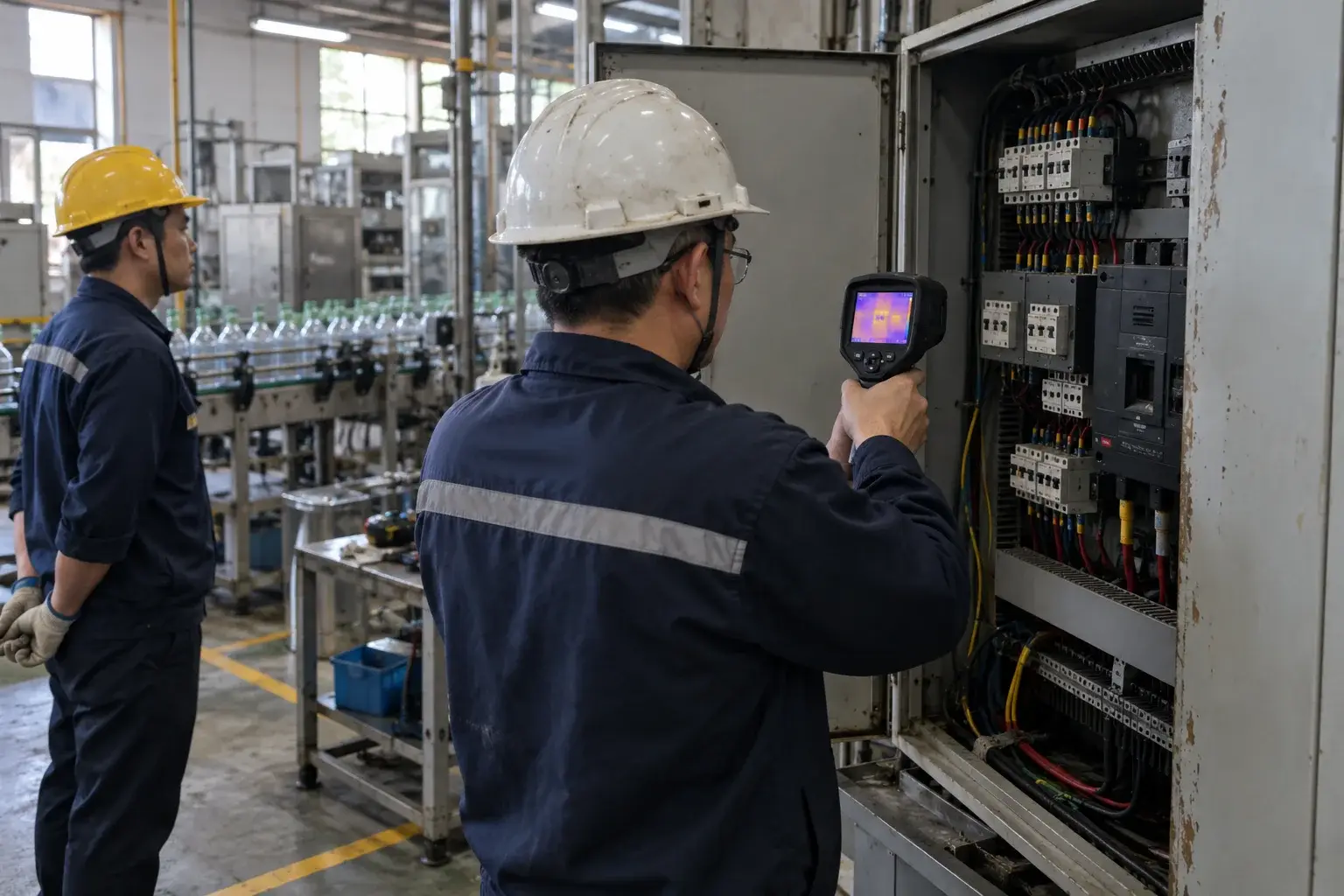
The problem
Many technology decisions begin with a tool because the problem has not yet been described precisely enough. That can create incomparable proposals, purchases that miss the bottleneck and projects that discover their constraints too late.
How we help
We speak with the people involved, observe how data moves and document both the normal path and its exceptions. We then translate what we learn into solution options, risks and a sequence of decisions the team can discuss.
- Need
- Search
- Evaluation
- Purchase
- Import
- Integration
What the service includes
- Initial conversation and definition of the question to answer
- Review of the process, systems, data and constraints
- Map of opportunities and dependencies
- Comparison of alternatives and decision criteria
- Closing document with prioritized next steps
What changes in your operation
You finish with a shared reading of the problem, comparable alternatives and a roadmap for deciding what to do first.
How it could look in your operation
If you do not know whether the next step is software, sensors, automation or a process improvement, we review the operation before recommending a purchase.
Applications we have implemented
Applications and evidence from projects Gist Point has implemented. Each card indicates whether it is an application, an experience, or a documented project.
A company that wants to digitize an unclear process
- Situation
- Each team describes a different part of the problem and there is no agreement on where the most time is lost.
- Application
- We review the real workflow, its exceptions and the information it needs before suggesting a tool.
- What it enables
- A shared priority for moving forward without buying technology blindly.
A team that received technical proposals that are hard to compare
- Situation
- Offers use different scopes, assumptions and terms, so price alone cannot support a decision.
- Application
- We organize requirements, dependencies, risks and acceptance criteria in the same framework.
- What it enables
- A purchasing conversation based on scope and risk, not only on initial cost.
An operation that needs to prioritize several improvements
- Situation
- There are opportunities in administration, production and follow-up, but the team cannot address everything at once.
- Application
- We sequence initiatives and distinguish quick wins, necessary foundations and larger decisions.
- What it enables
- A defensible order of work for allocating time and budget.
The applications described correspond to projects Gist Point has implemented. When client authorization is not available, data is presented in aggregate form and without identifiable metrics.
The solution is also visible in its details
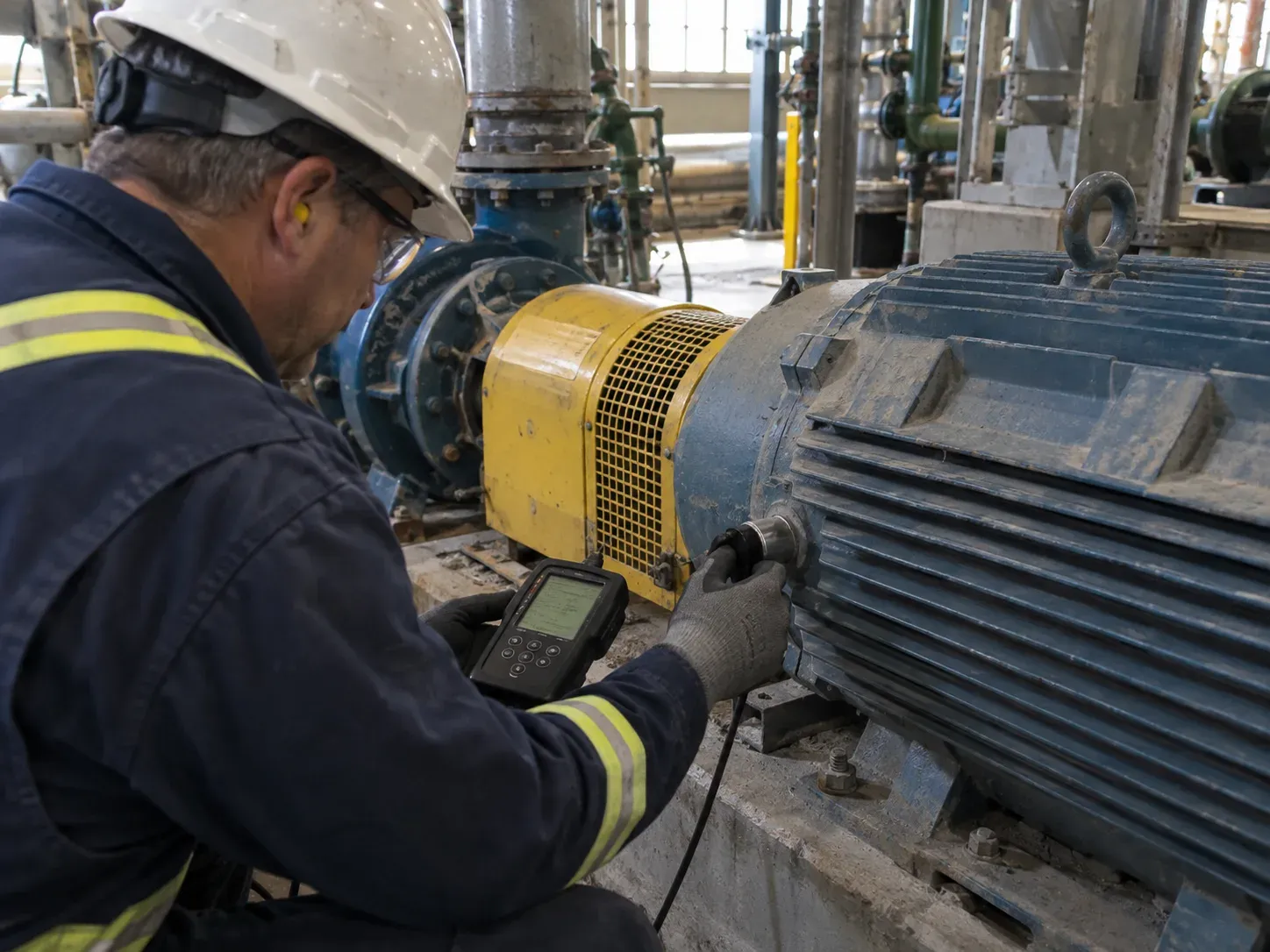
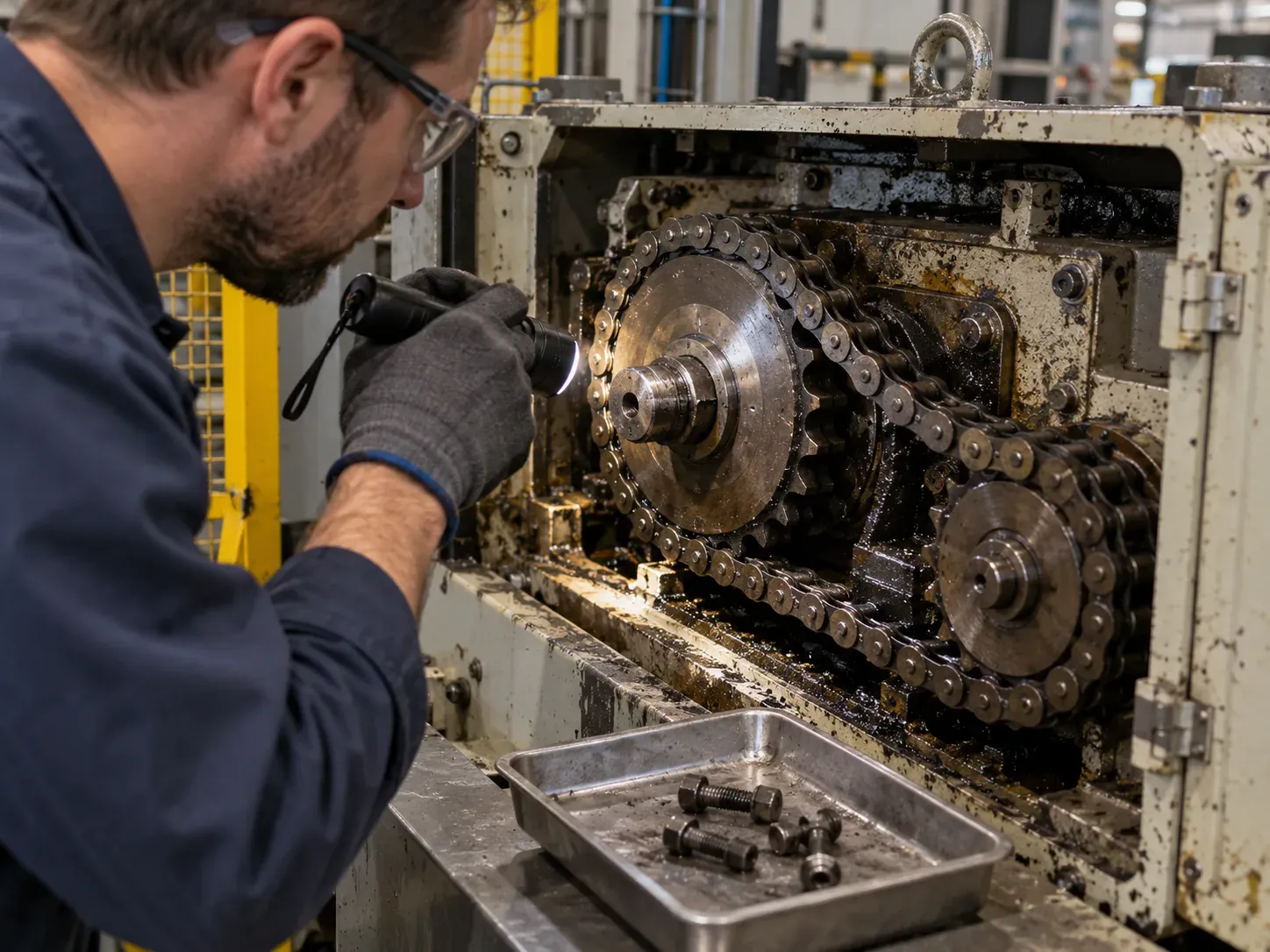
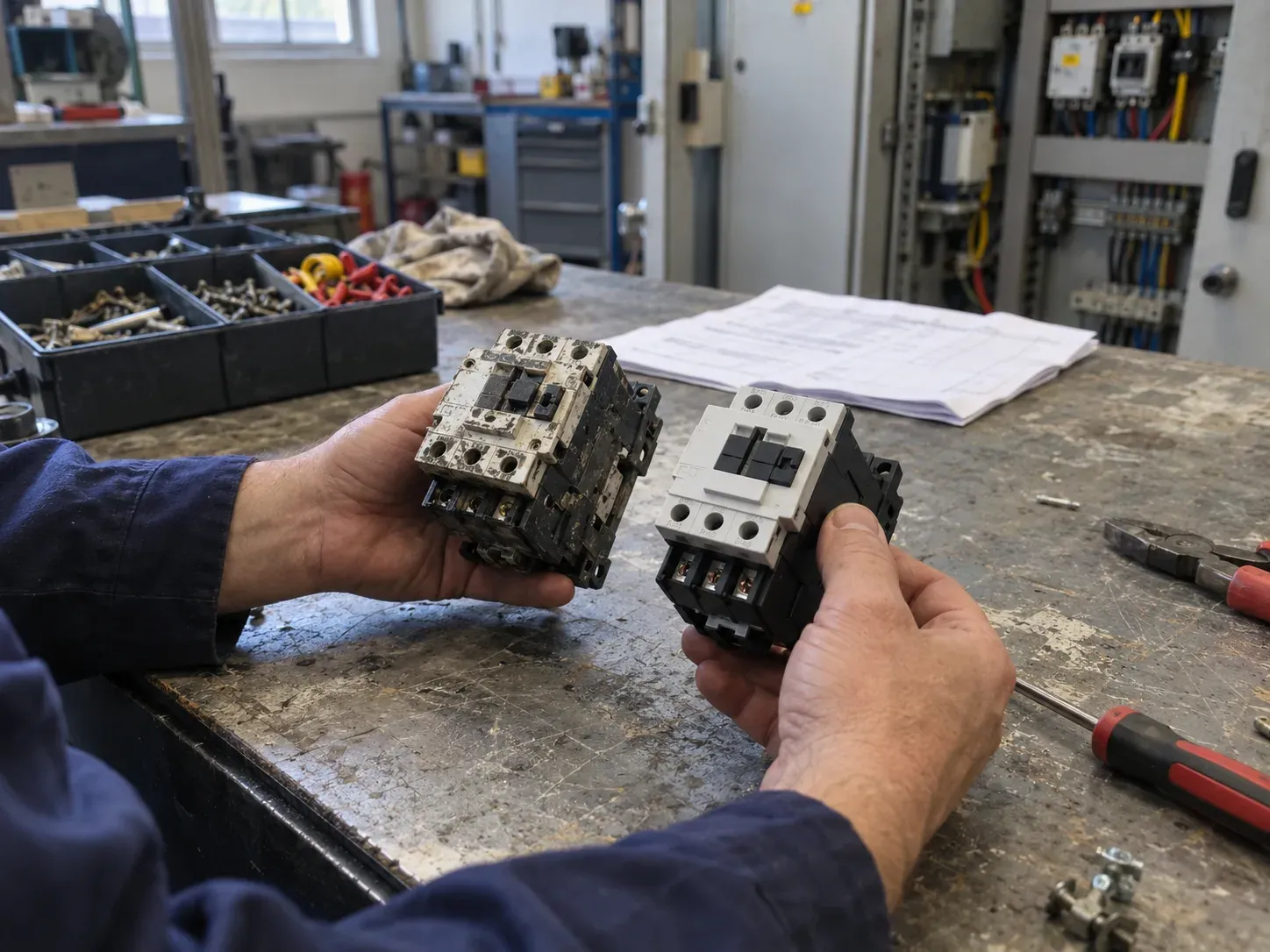
Editorial images help explain the scope. Project photos are added when we have permission to publish them.
What you get
- Map of the current process, its participants and friction points
- Inventory of relevant systems, data, equipment and constraints
- Opportunities prioritized by impact, effort and dependency
- Technical alternatives with criteria for comparing them
- Roadmap with next steps and open questions
What we need from you
- A person who understands how the operation works today.
- Access to real examples of spreadsheets, reports or proposals received.
- Availability from the teams involved in the process.
What is not included
- The purchase of hardware, licenses or third-party services.
- A full implementation without a later definition stage.
- Savings or return metrics that have not been measured in the operation.
Frequently asked questions about this solution
Does it help if I do not know which technology I need yet?
Yes. The diagnosis starts with the operational problem and helps decide whether software, automation, data, sensors, robotics or process definition should come first.
Can you review a vendor proposal?
Yes. We can identify assumptions, dependencies, missing parts and questions to answer before accepting a scope.
Does the diagnosis require us to hire you for implementation?
No. The result should help you decide, even if you choose another vendor or postpone a stage.
What is the difference between a technical and an operational diagnosis?
The technical diagnosis answers whether a solution is feasible in access, power, safety, integration, precision and cycle. The operational diagnosis answers whether it makes business sense in volume, cost, quality, people and maintenance. A complete diagnosis covers both.