
Operational process improvement
We organize and redesign processes to reduce delays, rework and dependencies before automation.
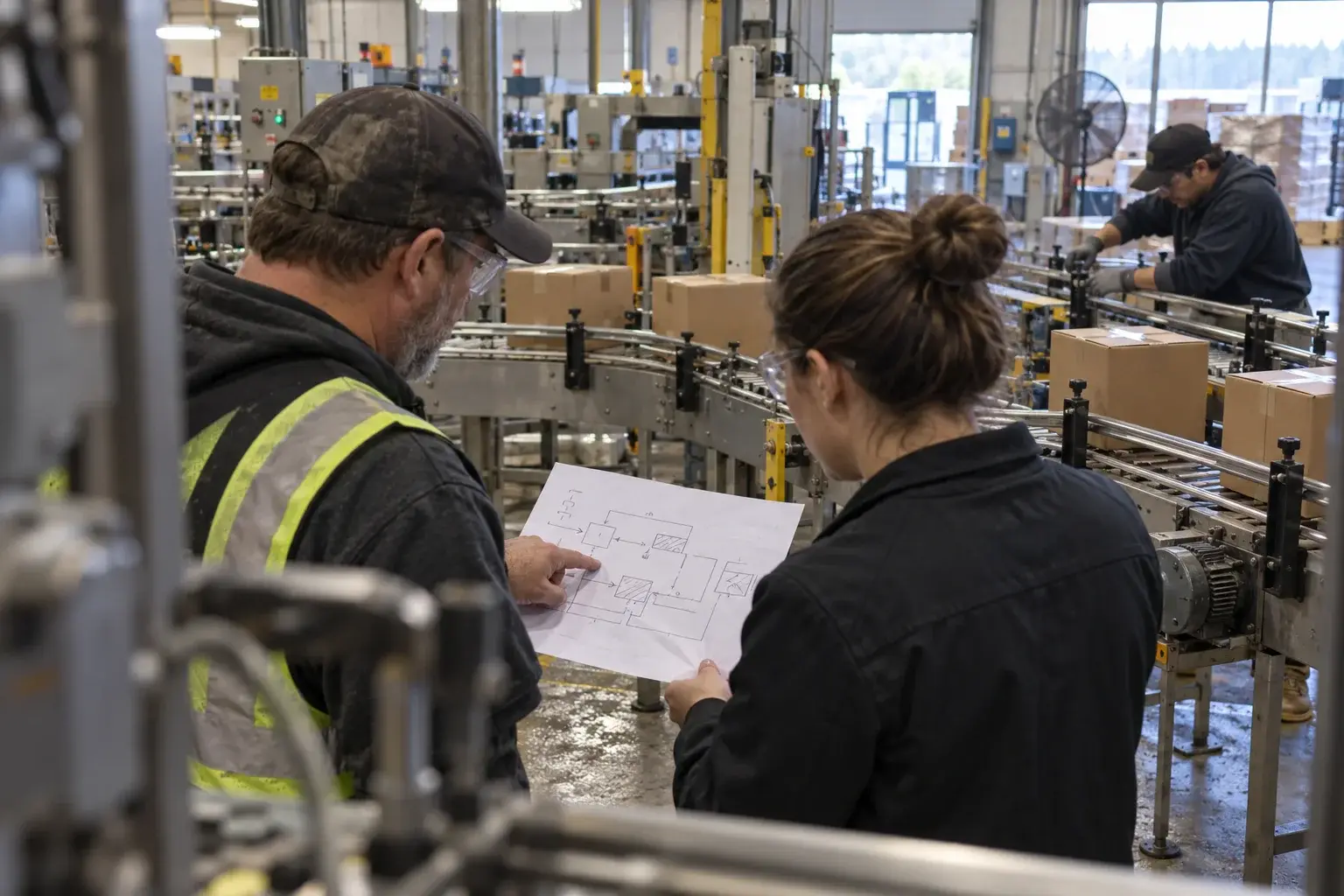
The problem
As an operation grows, shortcuts that once helped can become delays, duplicate checks and dependency on key people. Without a map of the real process, each improvement fixes one part and may create a problem in the next.
How we help
We work with the people doing the job, not only with the ideal procedure. We document the journey, its timing, decisions and exceptions, then design a clearer way of working and a sequence of changes the team can adopt.
- Need
- Search
- Evaluation
- Purchase
- Import
- Integration
What the service includes
- Review of the current process and its variants
- Map of friction, waits, rework and dependencies
- Design of the target workflow and responsibilities
- Prioritization of operational and technology improvements
- Validation, implementation and follow-up plan
What changes in your operation
You get a clearer process, defined owners and a set of improvements that can be implemented in stages.
How it could look in your operation
If an order passes through too many hands, an approval comes back repeatedly or each team works from its own version, we map the journey and organize the improvement.
Applications we have implemented
Applications and evidence from projects Gist Point has implemented. Each card indicates whether it is an application, an experience, or a documented project.
A team coordinating orders end to end
- Situation
- Orders change status through messages and return because data or approvals are missing.
- Application
- We define statuses, owners, minimum inputs and conditions for work to move forward.
- What it enables
- Fewer back-and-forth exchanges and clearer ownership of the next step.
An operation that grew without updating roles
- Situation
- Two people perform the same check while other tasks have no clear owner.
- Application
- We review the journey, assign responsibilities and agree on how completion is reported.
- What it enables
- A process that is easier to train, follow and improve.
A company wanting to automate a disorganized foundation
- Situation
- The current tool does not solve the issue because rules change depending on who performs the task.
- Application
- We stabilize the workflow first and document exceptions that require judgment.
- What it enables
- A more reliable foundation for automation without multiplying errors.
The applications described correspond to projects Gist Point has implemented. When client authorization is not available, data is presented in aggregate form and without identifiable metrics.
The solution is also visible in its details
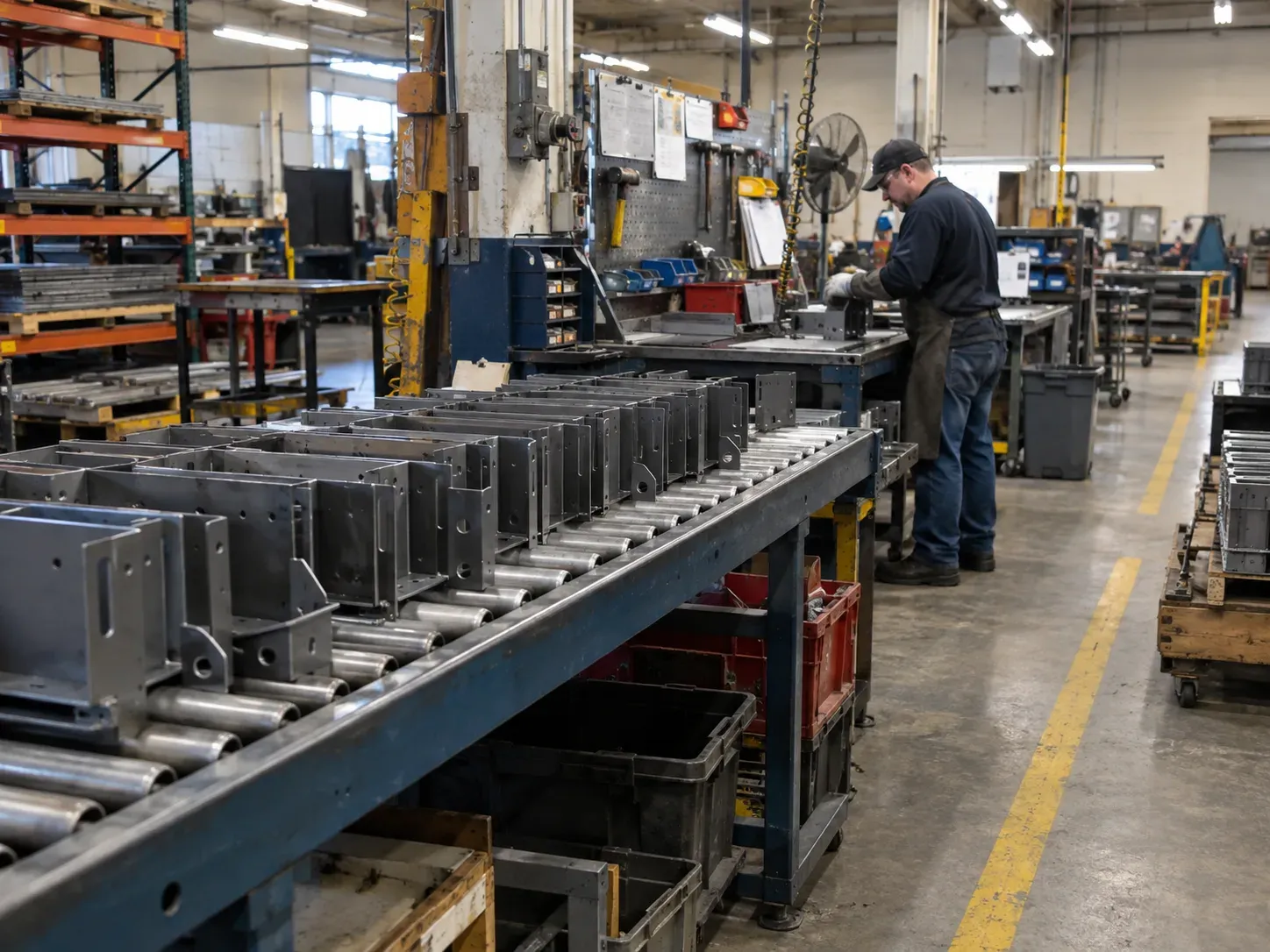
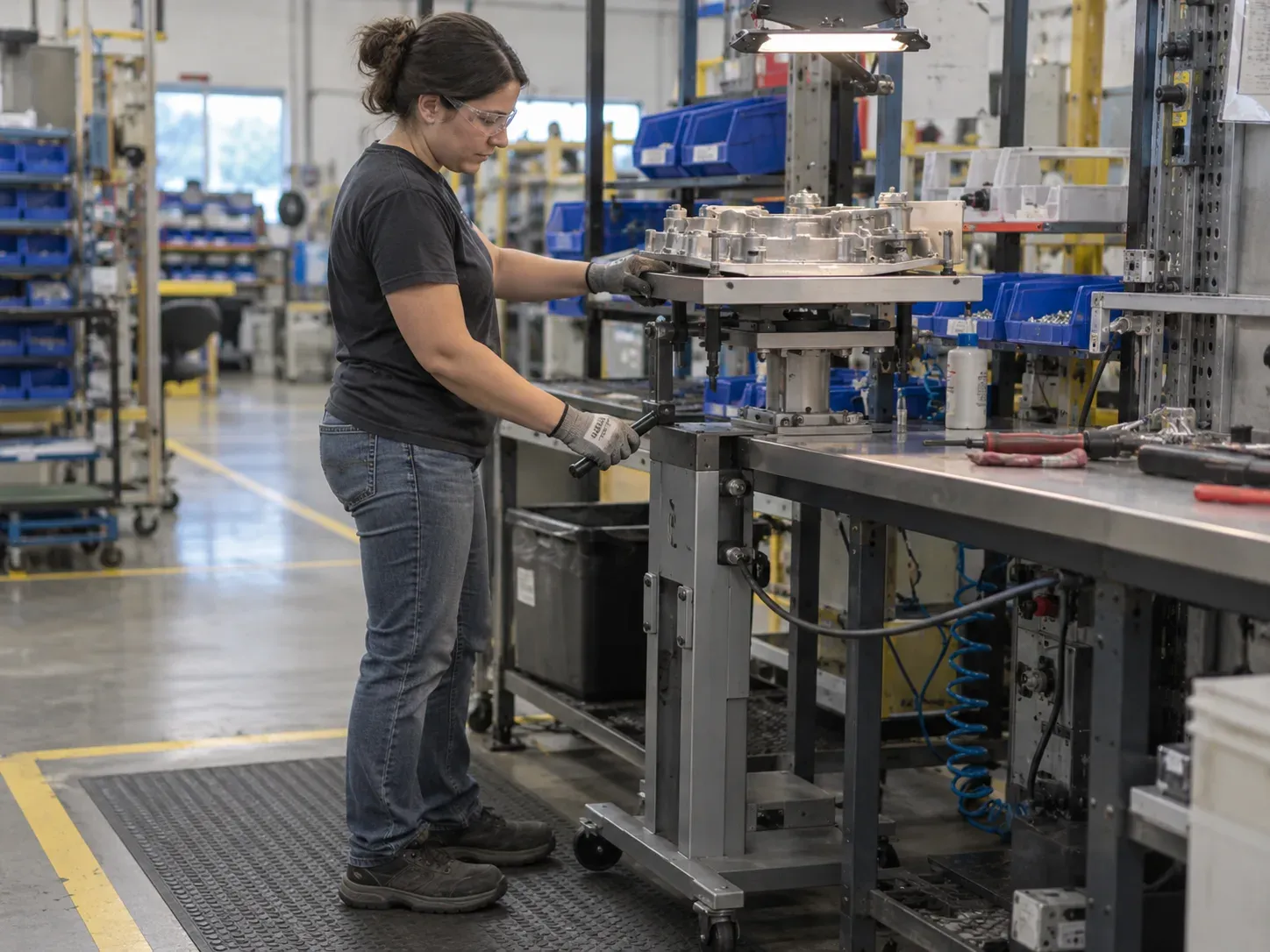
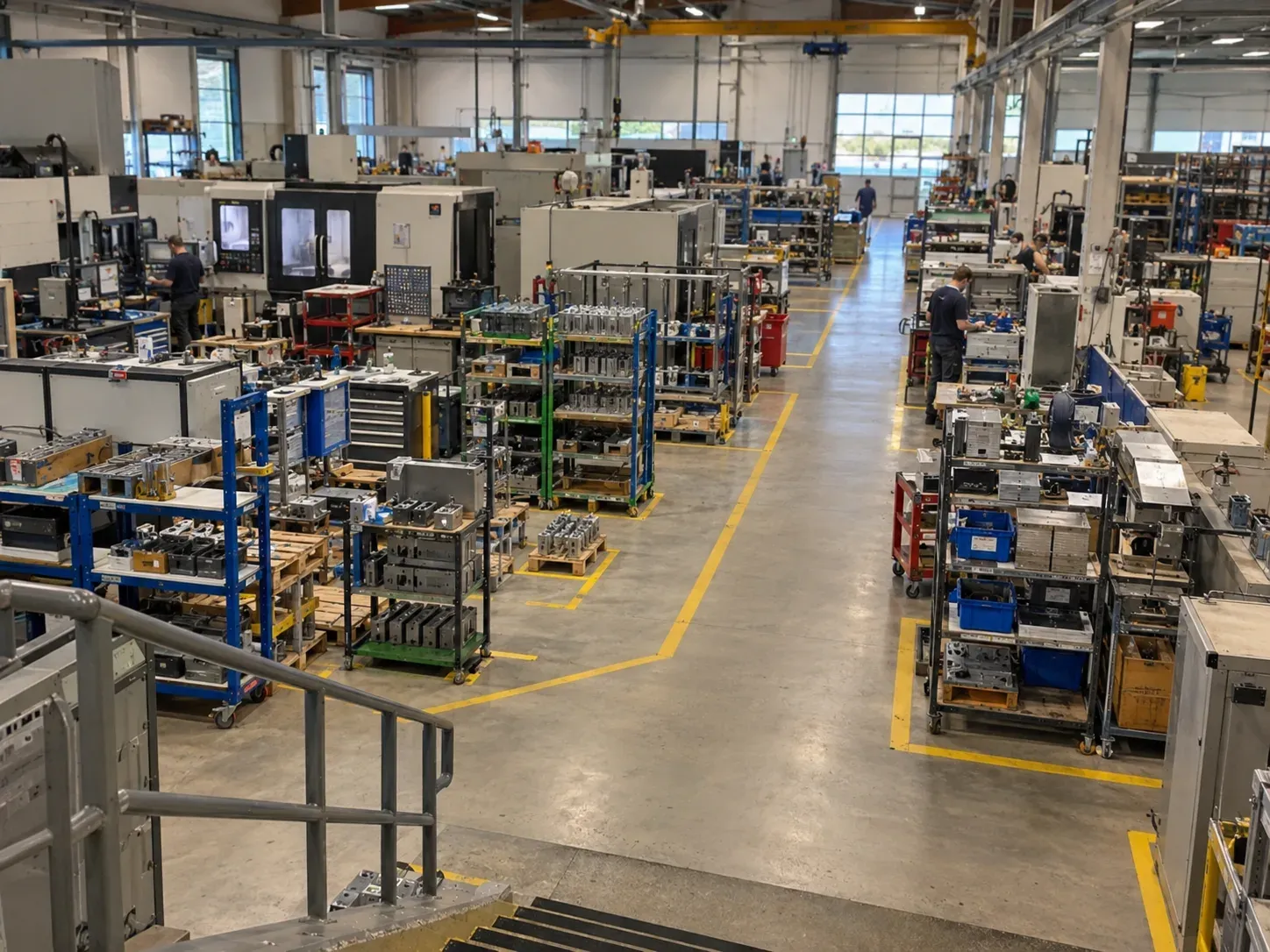
Editorial images help explain the scope. Project photos are added when we have permission to publish them.
What you get
- Map of the current process and the desired workflow
- Identification of bottlenecks, waits and rework
- Definition of roles, inputs, outputs and completion criteria
- Prioritized list of process and technology improvements
- Implementation plan with owners and validation points
What we need from you
- Participation from the people who execute and receive the work.
- Examples of normal, urgent and error cases.
- A person able to validate process changes.
What is not included
- Designing an ideal process without observing today’s reality.
- Guaranteeing numerical results without an agreed baseline.
- Implementing a tool before defining the workflow and rules.
Frequently asked questions about this solution
Is process improvement the same as automation?
No. We first organize the workflow, responsibilities and rules. Then we evaluate what should be automated and what should remain a human decision.
Can you work with a process that is not documented?
Yes. The review makes real work visible, including shortcuts and exceptions that do not appear in a formal procedure.
What if the problem also requires software?
The improvement may result in a software, integration or automation recommendation. Technology is defined after understanding the workflow.