
Robotics for businesses
We assess which robotic solution fits your process: industrial robot, cobot, special-purpose machine or another option, and support its integration.
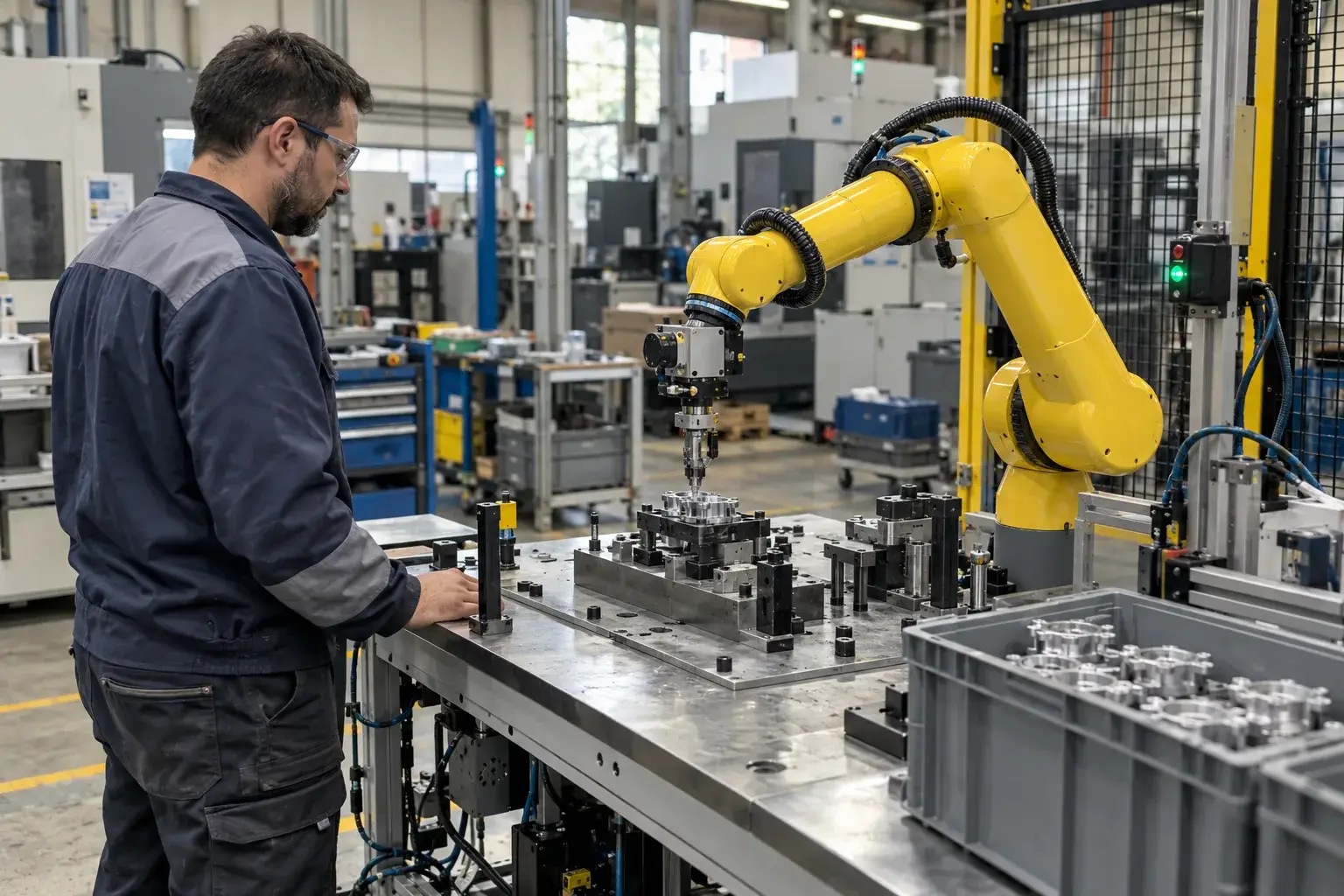
The problem
Buying a robot before describing the task usually moves risk into the integration stage. Payload may be insufficient, reach may fall short, the part may vary more than expected or the cell may require tooling, vision, safety and control that were not included.
How we help
We start with the work to be done and the conditions that make it repeatable or variable. We compare an industrial robot, cobot, special-purpose machine and other options using cycle, payload, reach, safety, flexibility, total cost and integration criteria. This page is an entry point for the decision; specific applications are developed on their own pages with the evidence available.
- Need
- Search
- Evaluation
- Purchase
- Import
- Integration
What the service includes
- Review of the task, parts, movements, volume and constraints
- Decision matrix and criteria for choosing between alternatives
- Initial assessment of the cell, peripherals, safety and utilities
- Integration with control, sensors, vision, data or software when appropriate
- Coordination of selection, importing, testing and commissioning as scoped
What changes in your operation
You finish with a reasoned recommendation about the alternative, the missing information, the integration scope and the next engineering step.
How it could look in your operation
If you know which task you want to improve but not which robot to buy, we analyze the process before discussing brands or models and keep open the option of a special-purpose machine or a non-robotic improvement.
Applications we have implemented
Applications and evidence from projects Gist Point has implemented. Each card indicates whether it is an application, an experience, or a documented project.
A plant considering automation for a repetitive welding task
- Situation
- The operation needs more repeatability, but parts, fixtures, sequence and production pace are not yet defined.
- Application
- We review the application, compare the complete cell and direct the specific welding assessment with the information needed for a proposal.
- What it enables
- A decision based on the application rather than only on the arm's nominal capability.
A small or mid-sized company comparing an industrial robot, cobot and dedicated machine
- Situation
- The options look similar until speed, payload, format changes, human interaction and safety are considered.
- Application
- We put the options in a decision matrix and make clear when a third alternative or process improvement may fit better.
- What it enables
- A selection path that considers total cost, flexibility, risk and integration.
A company that needs equipment unavailable in its local market
- Situation
- International purchasing may solve the equipment portion while leaving documentation, logistics, installation and commissioning open.
- Application
- We connect technical assessment with import management and the integration design the project actually needs.
- What it enables
- Less distance between choosing equipment and making it work in the operation.
The applications described correspond to projects Gist Point has implemented. When client authorization is not available, data is presented in aggregate form and without identifiable metrics.
The solution is also visible in its details
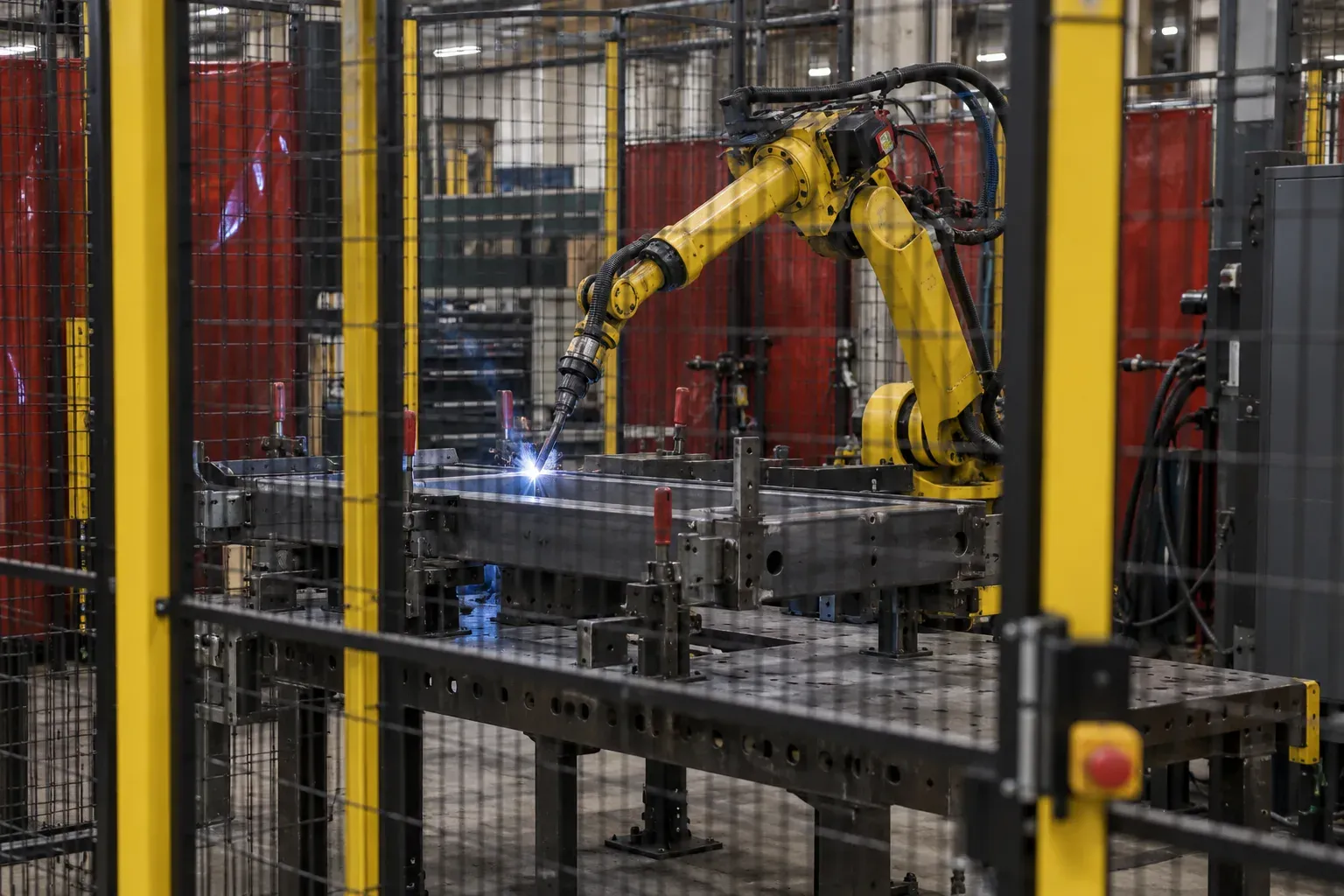
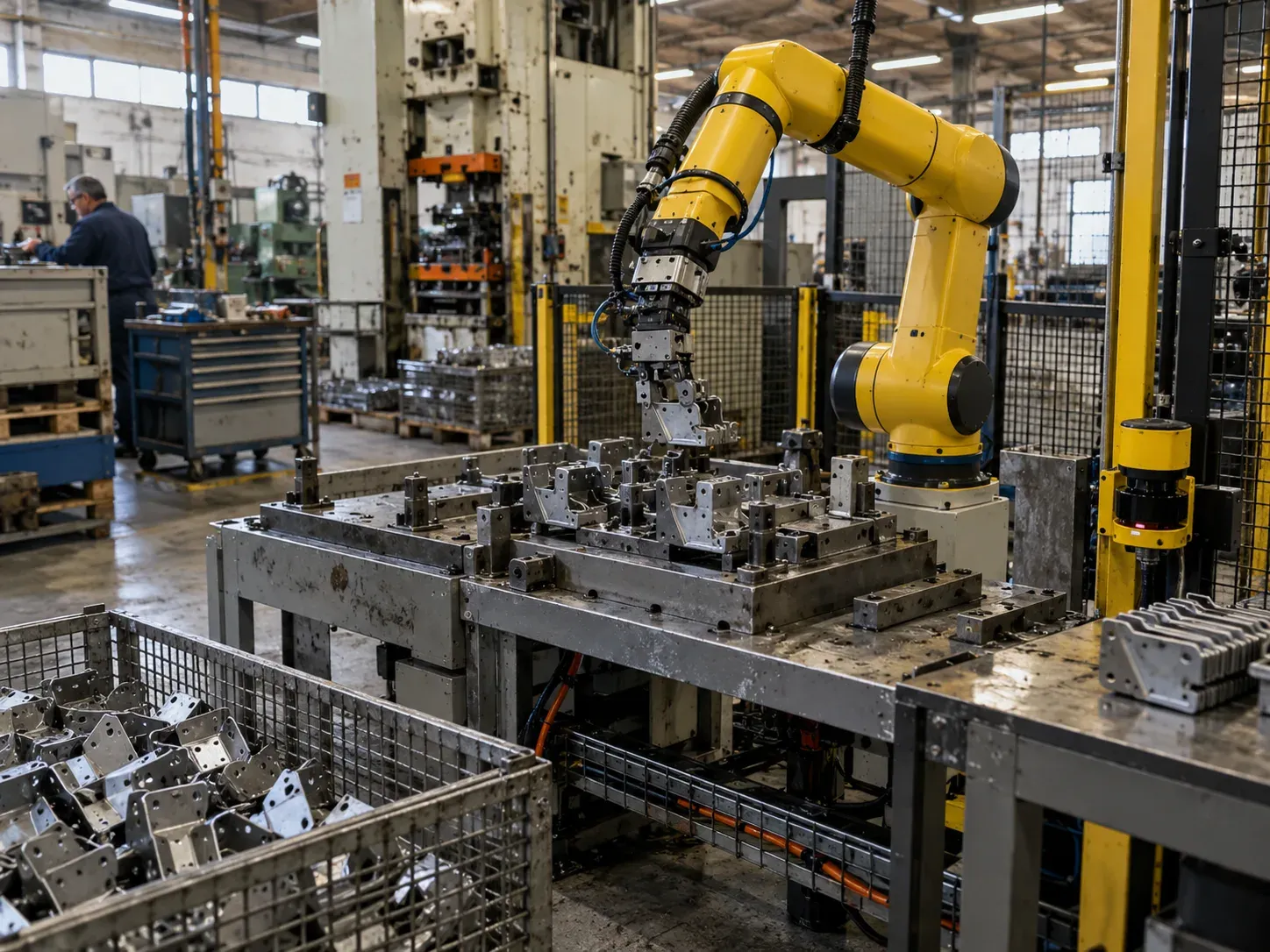
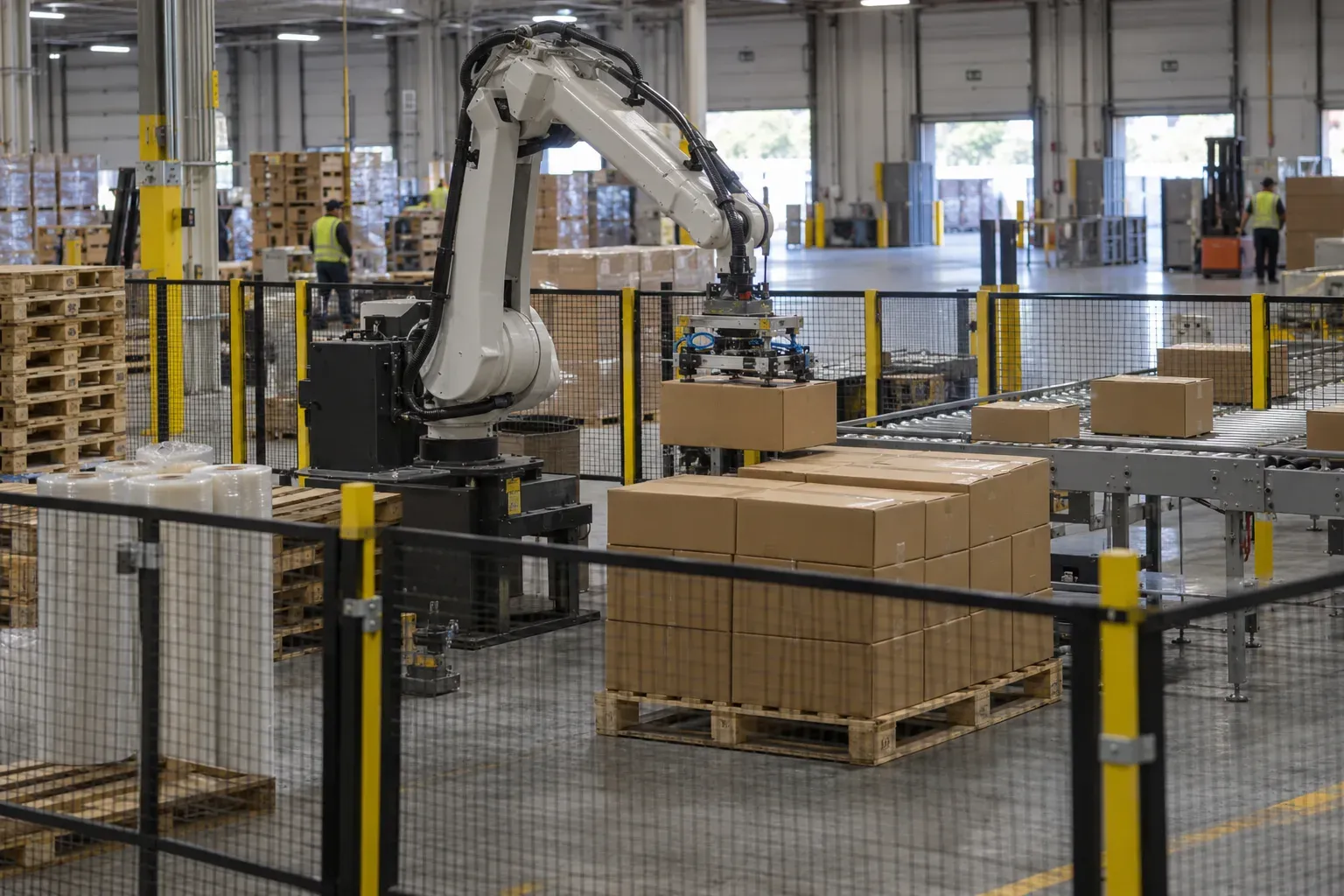
Editorial images help explain the scope. Project photos are added when we have permission to publish them.
What you get
- Description of the task, parts, pace, variability and environment
- Criteria for comparing an industrial robot, cobot, special-purpose machine or another option
- Initial assessment of payload, reach, cycle, accuracy, safety and space
- Map of peripherals and integration: tooling, vision, sensors, control, data and software
- Next steps for selection, testing, purchasing, importing and implementation as scoped
What we need from you
- Examples of parts, products or movements involved in the task.
- Volume, shifts, cycle times and variations the solution should support.
- Available information about space, safety, utilities and existing systems.
What is not included
- Recommending a brand or model without understanding the application first.
- Presenting service robots, cobots or peripherals as our own catalog when they are not.
- Promising a universal return without measuring volume, cost, quality, safety and useful life.
Frequently asked questions about this solution
What robot does my company need?
It depends on the task, payload, reach, cycle, accuracy, variability, environment, safety and integration. We define those conditions first and then compare alternatives.
Industrial robot or cobot?
There is no universal answer. An industrial robot may fit when speed, payload and repeatability matter; a cobot may fit other interaction and flexibility scenarios. The application defines the architecture.
Can you integrate vision, sensors or software?
Yes, when the project requires it. A robotic solution may include tooling, vision, sensors, control, safety, data and integration with other systems.
Can you source and import equipment?
We can assess that option when the project needs specialized technology from abroad. Purchasing should be reviewed together with documentation, logistics, utilities and integration.
What is a cobot and when does it fit?
A cobot is a robot designed to share space or tasks with people. It fits when flexibility, shared space and frequent changes matter more than peak cycle. It is not automatically safe or always cheaper: the application and risk assessment define the decision.
Which tasks can be roboticized?
Handling, loading and unloading, assembly, welding, palletizing, inspection, polishing and dispensing, among others. Feasibility depends on part, cycle, precision, access, safety and integration.