
Process automation
We identify repetitive work and design automations that reduce manual effort without losing control or traceability.
The problem
Manual repetition tends to grow quietly: one more entry, one more report, one more notice. As volume increases, the team spends its time sustaining the process and errors are discovered too late.
How we help
We review the complete task, including inputs, rules, decisions and exceptions. We then propose an automation the team can understand, supervise and correct, with a focused and verifiable first stage.
- Need
- Search
- Evaluation
- Purchase
- Import
- Integration
What the service includes
- Identification of repetitive tasks and explicit rules
- Map of inputs, outputs, owners and exceptions
- Prioritized opportunity matrix
- Comparison of technology alternatives
- Design of a first automation with controls
What changes in your operation
You get a prioritized automation backlog with scope, dependencies and a recommendation for where to start.
How it could look in your operation
If the team copies data between systems, checks the same conditions or sends manual notices, we analyze the work logic and define what should be automated.
Applications we have implemented
Applications and evidence from projects Gist Point has implemented. Each card indicates whether it is an application, an experience, or a documented project.
An administrative team with repetitive data entry and checks
- Situation
- Someone copies information between files, checks fields and prepares the same report every week.
- Application
- We formalize the rules, automate the transfer and keep exceptions visible for review.
- What it enables
- More time for analysis and a clear record of what remains pending.
An operation that needs notice before a deviation grows
- Situation
- Owners learn about deadlines, out-of-range values or unfinished tasks too late.
- Application
- We define events, severity, owners and notification channels that can be audited.
- What it enables
- A more predictable follow-up loop that does not rely on remembering every case.
A company evaluating automation for a physical or digital task
- Situation
- The repetitive task is clear, but it is not clear whether software, sensors, integration or robotics fits best.
- Application
- We compare alternatives from the process, its constraints and the team’s ability to operate the solution.
- What it enables
- A technology decision tied to real work rather than a trend.
The applications described correspond to projects Gist Point has implemented. When client authorization is not available, data is presented in aggregate form and without identifiable metrics.
The solution is also visible in its details
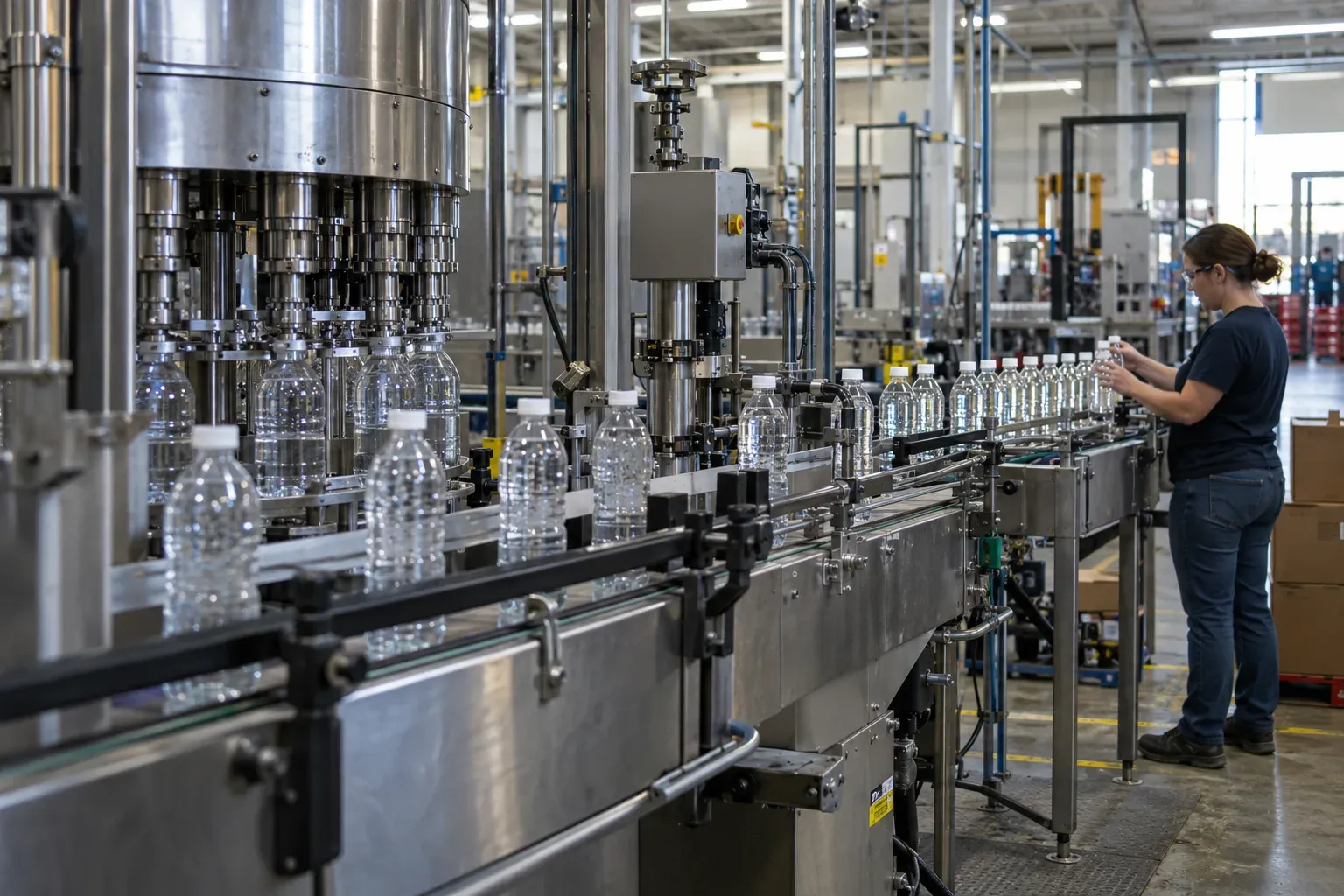
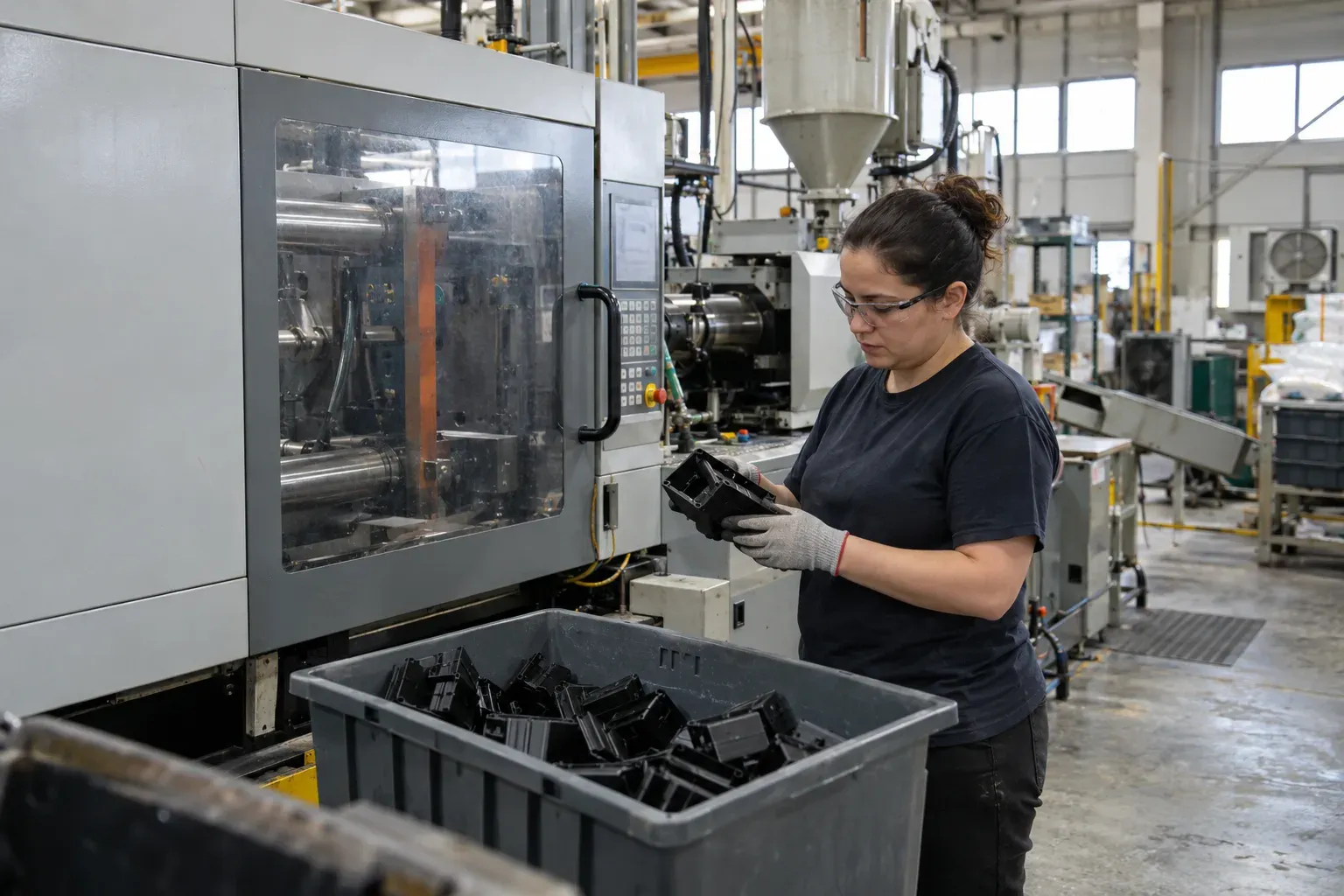
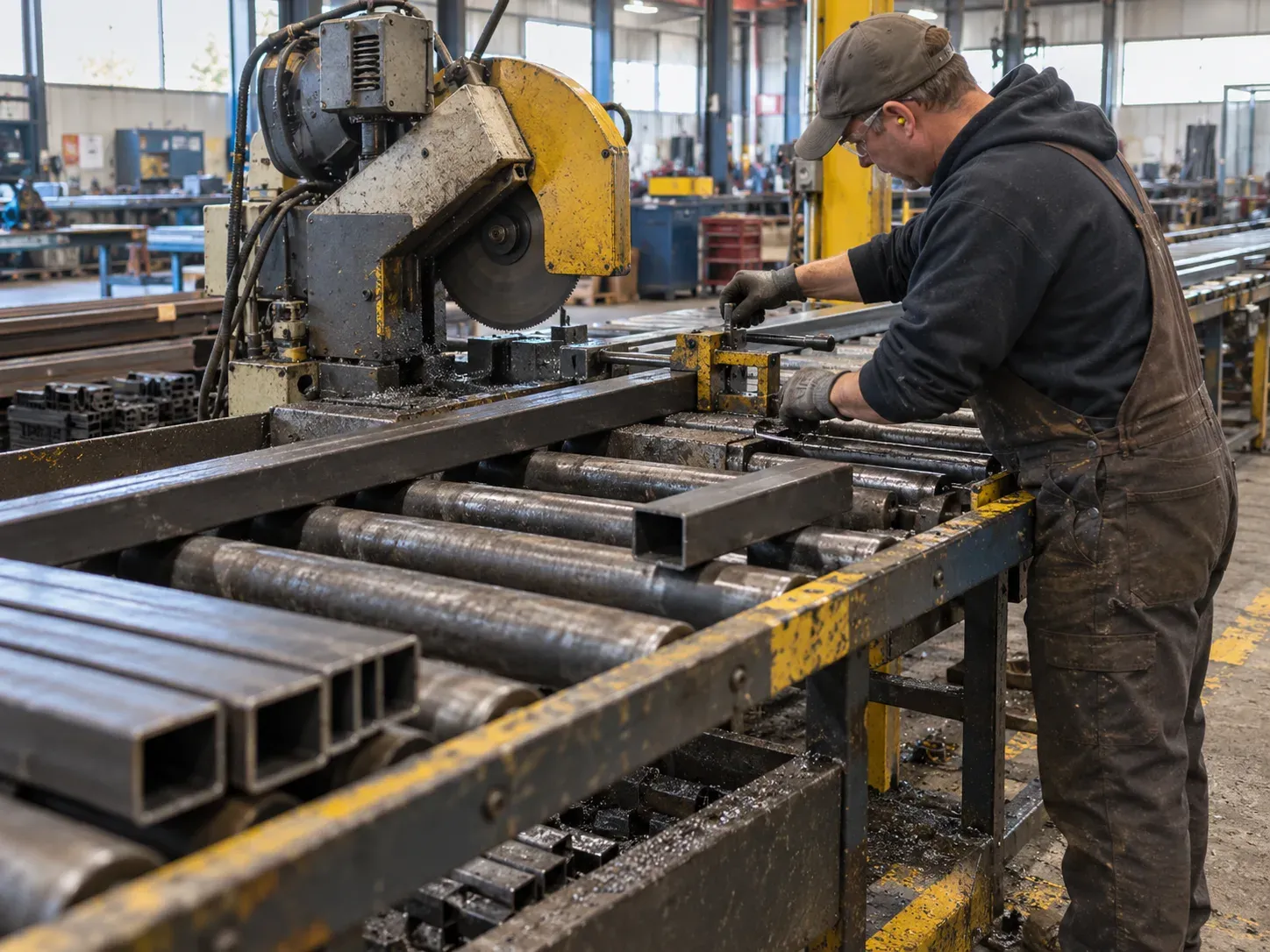
Editorial images help explain the scope. Project photos are added when we have permission to publish them.
What you get
- Map of repetitive tasks and rules that can be formalized
- Prioritization by frequency, impact, risk and effort
- Design of the target workflow and its control points
- Automation alternatives: software, integration, data or equipment
- Plan for a first automation with acceptance criteria
What we need from you
- A process the team can describe with concrete examples.
- Access to the data sources or systems involved.
- A person responsible for validating rules and exceptions.
What is not included
- Automating a process that still changes without an agreed rule.
- Promising to remove all human work without assessing exceptions.
- Buying equipment before validating the use case.
Frequently asked questions about this solution
Does process automation mean using robots?
Not necessarily. Many opportunities start with software, integrations, validations, reports or notifications. Robotics is evaluated when the physical process justifies it.
What if the process still has many exceptions?
We document them and separate what can be automated from what should remain a human decision. If a rule is missing, we flag it before building.
Can you start with a small automation?
Yes. A small first automation can validate the workflow and create learning before expanding the scope.
How does it relate to industrial automation?
Process automation structures the complete workflow; industrial automation usually refers to equipment and control on the plant floor. A project can combine both: first define the process, then decide which part to automate with hardware, software or a mix.