
Systems integration: software, equipment and data
We connect ERP, CRM, PLC, sensors and software around a clear operational workflow, with error handling, retries and defined ownership.
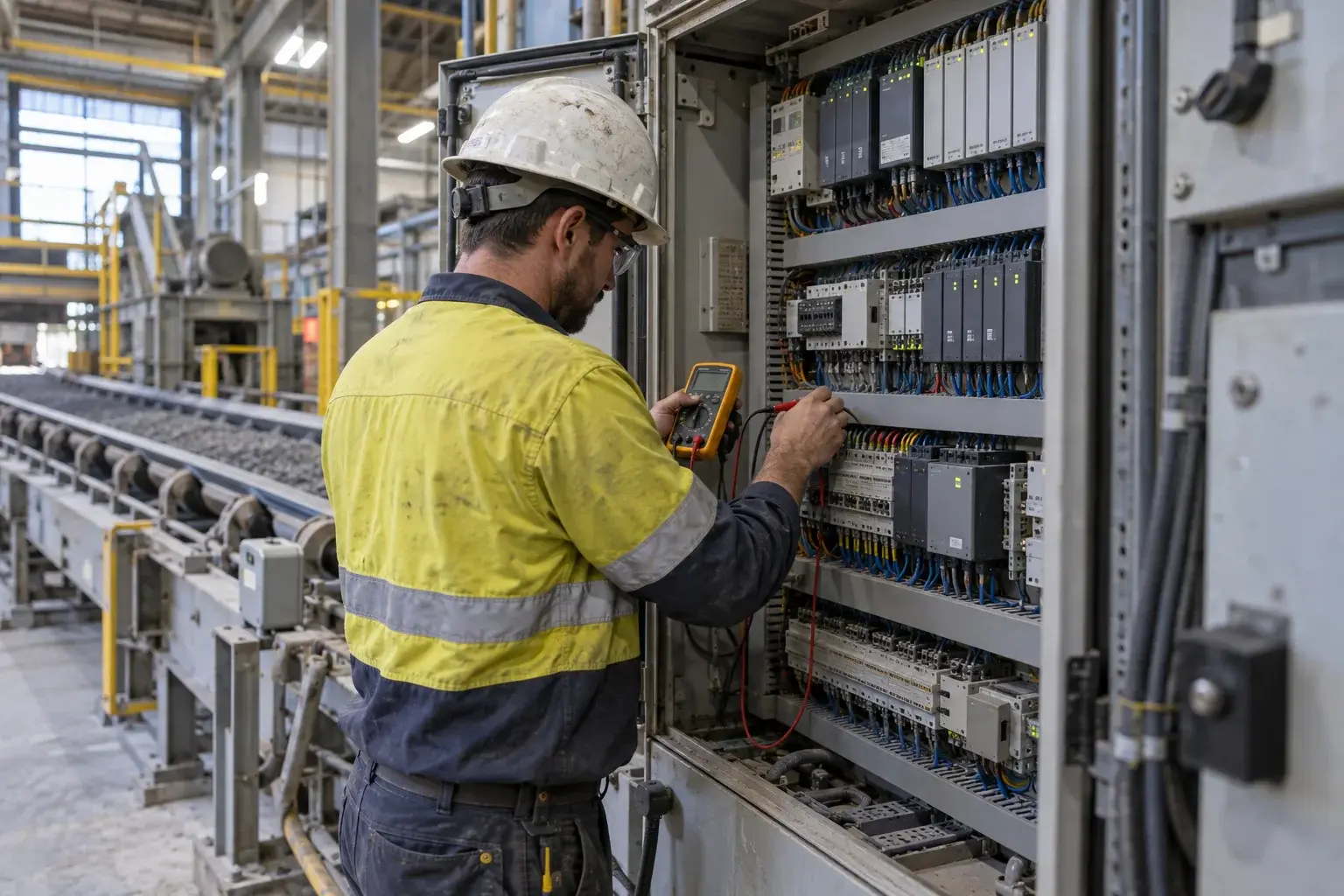
The problem
When systems do not communicate, teams create manual bridges: side spreadsheets, messages, duplicate entry and checks before every close. A quick connection can move those errors faster if data, events and ownership are not agreed first.
How we help
We start with one end-to-end workflow and follow each data point to its source, destination and owner. We compare direct integration, an intermediate layer or batch exchange according to the continuity the operation actually needs.
- Need
- Search
- Evaluation
- Purchase
- Import
- Integration
What the service includes
- Review of systems, equipment, data and access
- Map of sources of truth, events and identifiers
- Design of exchange, transformations and controls
- Error handling, retries and auditing
- Test plan and staged go-live
What changes in your operation
You get an integration design with sources of truth, events, identifiers, error handling and clear next steps.
How it could look in your operation
If an order, work order or machine value lives in several places, we review the path before deciding between an API, an intermediate service or a batch exchange.
Applications we have implemented
Applications and evidence from projects Gist Point has implemented. Each card indicates whether it is an application, an experience, or a documented project.
A company coordinating orders between software and spreadsheets
- Situation
- The same order has different statuses and the team reconciles information before acting.
- Application
- We agree on the data model, source of truth and events that should update each system.
- What it enables
- Less duplication and an operational status the team can follow.
An industrial operation with isolated equipment data
- Situation
- A machine records information that does not reach the dashboard or the system where maintenance is decided.
- Application
- We define what to measure, how to identify the equipment, which frequency is enough and which alert requires action.
- What it enables
- A staged path from physical data to an operational decision.
A team integrating an external service
- Situation
- A vendor offers an API, but limits, errors, permissions and ownership of the connection are unclear.
- Application
- We turn the proposal into requirements, tests and responsibilities before implementation.
- What it enables
- An integration the team can operate and recover when something fails.
The applications described correspond to projects Gist Point has implemented. When client authorization is not available, data is presented in aggregate form and without identifiable metrics.
The solution is also visible in its details
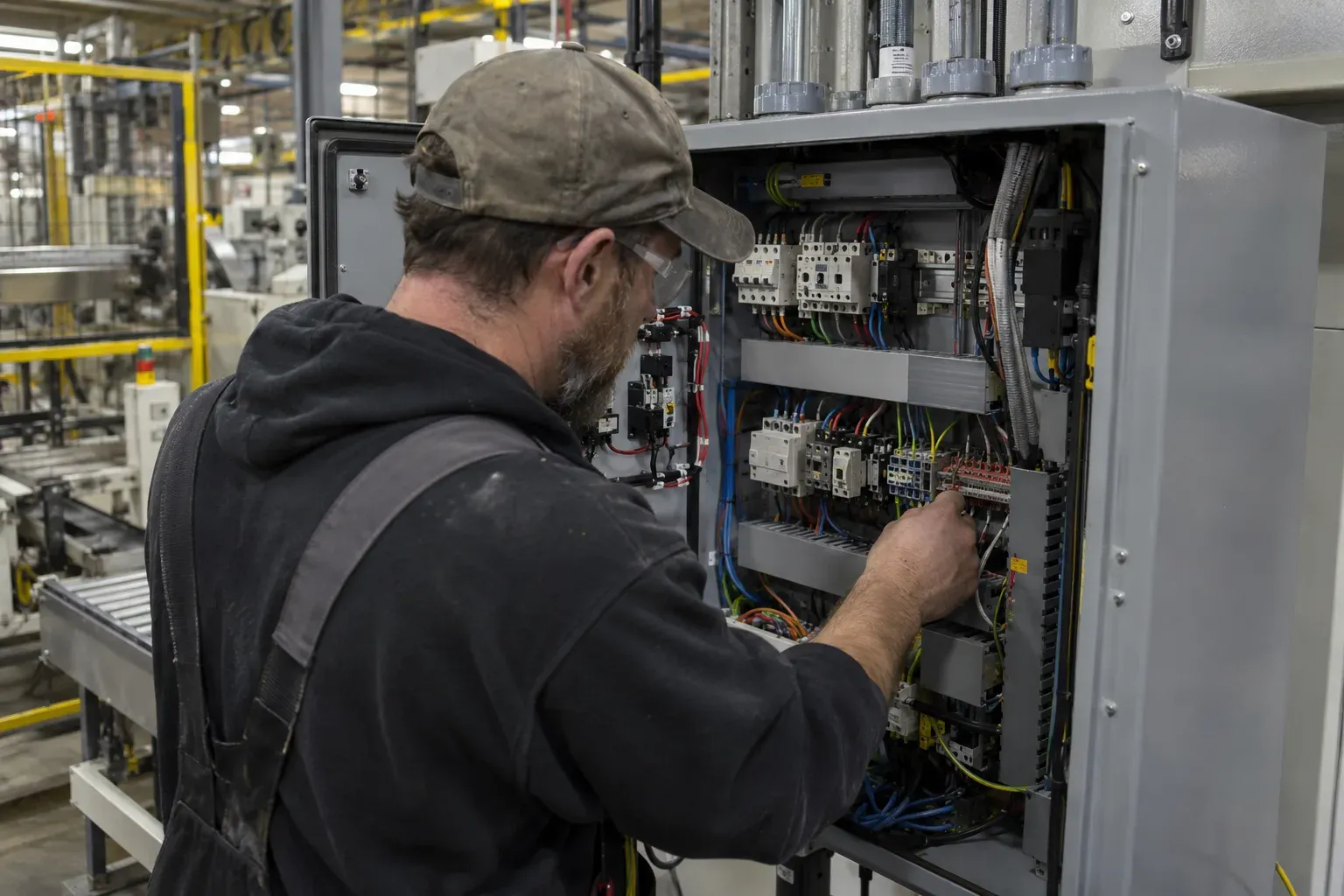
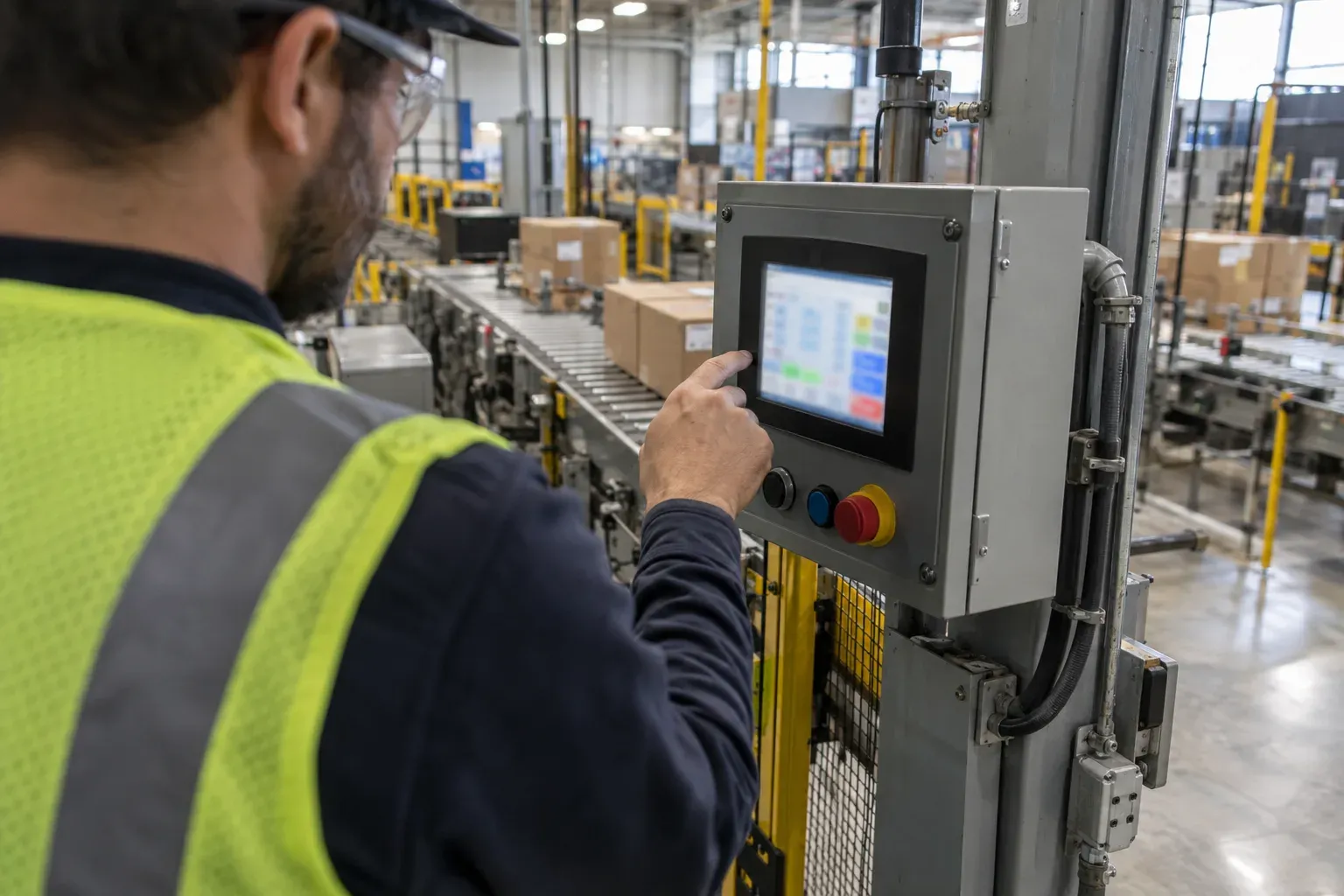
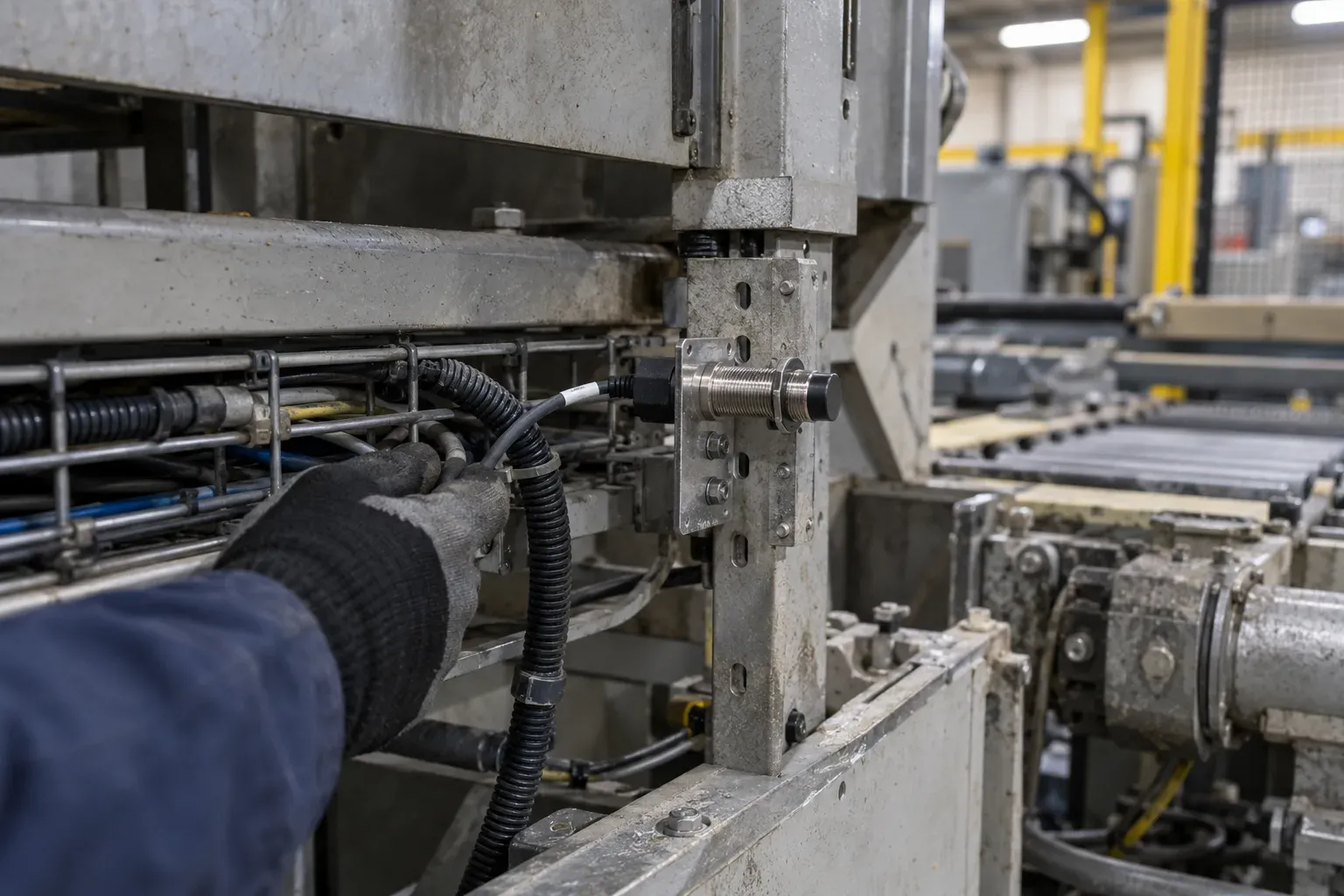
Editorial images help explain the scope. Project photos are added when we have permission to publish them.
What you get
- Map of systems, equipment, data and owners
- Definition of sources of truth and shared identifiers
- Design of events, frequency and transformations
- Rules for retries, duplicates, errors and auditing
- Staged integration plan with test cases
What we need from you
- Access to documentation or examples from the systems involved.
- One owner for each end of the workflow.
- Normal cases and known failures to validate the design.
What is not included
- Connecting systems before defining who can change each data point.
- Real time when a controlled batch update meets the goal.
- Third-party integrations without available documentation or access.
Frequently asked questions about this solution
Where should a systems integration start?
With an end-to-end workflow and a source of truth. First define which data each system needs, who can change it, and what happens when it fails. Then choose API, batch file, middleware, or events; not the other way around.
Does integration mean every system must be connected in real time?
No. Frequency depends on the workflow. Some alerts require immediacy while other data can move in controlled batches.
What if two systems use different codes?
We define the relationship between identifiers and a rule for records without a match before transferring data.
Can you integrate physical equipment and software?
Yes, when the equipment provides a reliable way to read data and the process defines which decision that information should enable.
What is iPaaS or middleware and when does it fit?
It is an intermediate layer that connects several systems with shared rules. It fits when there are many systems, heterogeneous APIs or a need for central monitoring. With two stable systems, a direct integration may be simpler.
Do you work with remote or multi-location integrations?
Yes, when access, documentation and responsibilities are defined. Distance changes the support and monitoring design, not the integration logic.
How do you synchronize contacts across CRM, ERP and support?
We define the source of truth, the shared identifier and the event that triggers the update. Then duplicates, errors and retries are handled before transferring data.