
Industrial monitoring and IoT sensors: what to measure
Define which variable to measure, whether the signal already exists in the PLC, which sensor and protocol fit, and how to turn data into action.
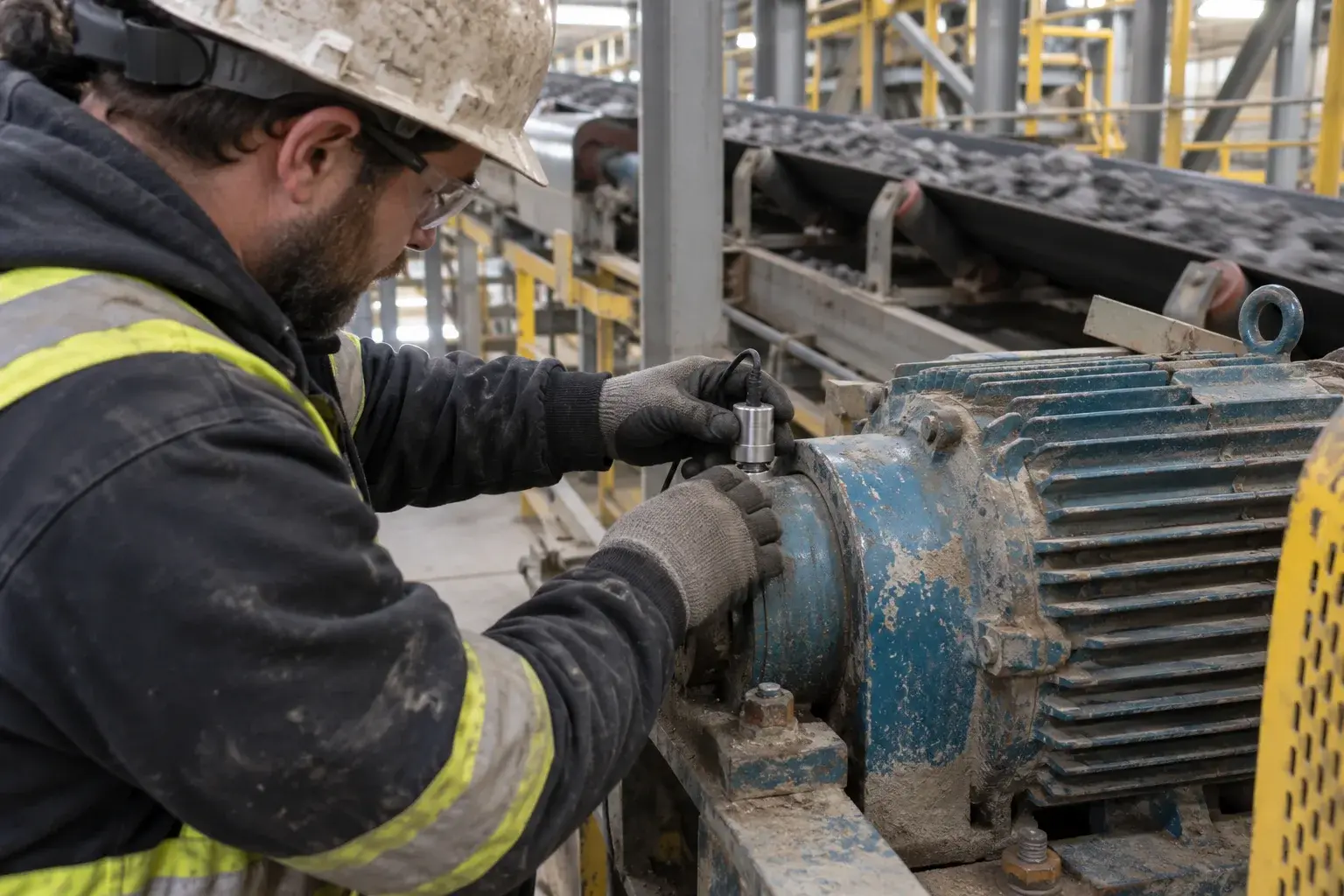
The problem
Measuring without a clear question often produces isolated data, dashboards nobody checks and alerts that lose credibility. It is also common to add sensors when the machine already has a useful signal, or to send information without deciding who should act when a deviation appears.
How we help
We start with the decision: what do you need to detect, compare, record or avoid? Then we identify the asset and minimum variables, review which data already exists and define acquisition, connectivity, storage, visualization, permissions and response. When possible, we propose a small pilot to validate quality and usefulness before instrumenting the whole operation.
- Need
- Search
- Evaluation
- Purchase
- Import
- Integration
What the service includes
- Definition of objectives, variables and usefulness criteria
- Review of existing sources and installation constraints
- Assessment of sensors, gateways, dataloggers and connectivity when appropriate
- Design of history, status, trends, roles and alerts
- Integration with maintenance, production, traceability or management when the project requires it
What changes in your operation
You get a monitoring architecture that connects the operational question to the data source, connectivity, history and the action that belongs next.
How it could look in your operation
If you need to know how much a machine produces, when it stops or how a variable changes, we first define which decision the data should improve and then assess how to obtain it.
Applications we have implemented
Applications and evidence from projects Gist Point has implemented. Each card indicates whether it is an application, an experience, or a documented project.
A company with an older machine that works but does not report its state
- Situation
- Production is recorded in a spreadsheet and stoppages are known only when someone reports them.
- Application
- We check whether a usable signal exists and, if it does not, assess a simple external measurement, temporary storage and an actionable alert.
- What it enables
- A first path from the asset to a status and history the team can use.
Maintenance team that needs to observe conditions before a failure
- Situation
- Temperature, vibration, current or hours of use are checked irregularly and without context.
- Application
- We define the variable, range, frequency, persistence, owner and response before building the visualization.
- What it enables
- Condition data linked to a maintenance action, without confusing monitoring with automatic prediction.
An operation with remote equipment or several locations
- Situation
- The team cannot visit every asset often enough and connectivity is not always stable.
- Application
- We design capture, buffering, synchronization, alert levels and a view that distinguishes events, status and history.
- What it enables
- More visibility over distributed assets and a pilot that validates coverage before expansion.
The applications described correspond to projects Gist Point has implemented. When client authorization is not available, data is presented in aggregate form and without identifiable metrics.
The solution is also visible in its details
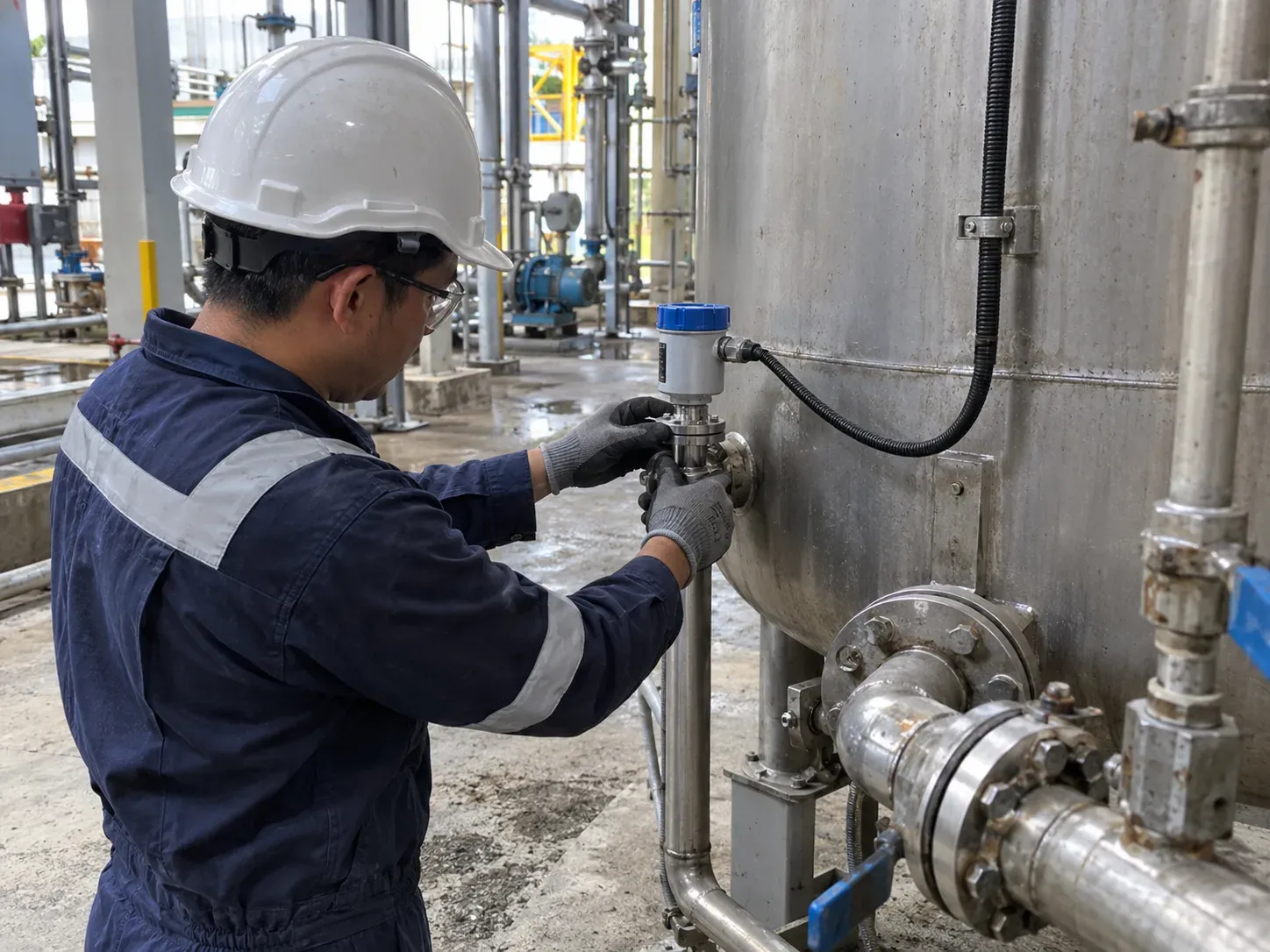
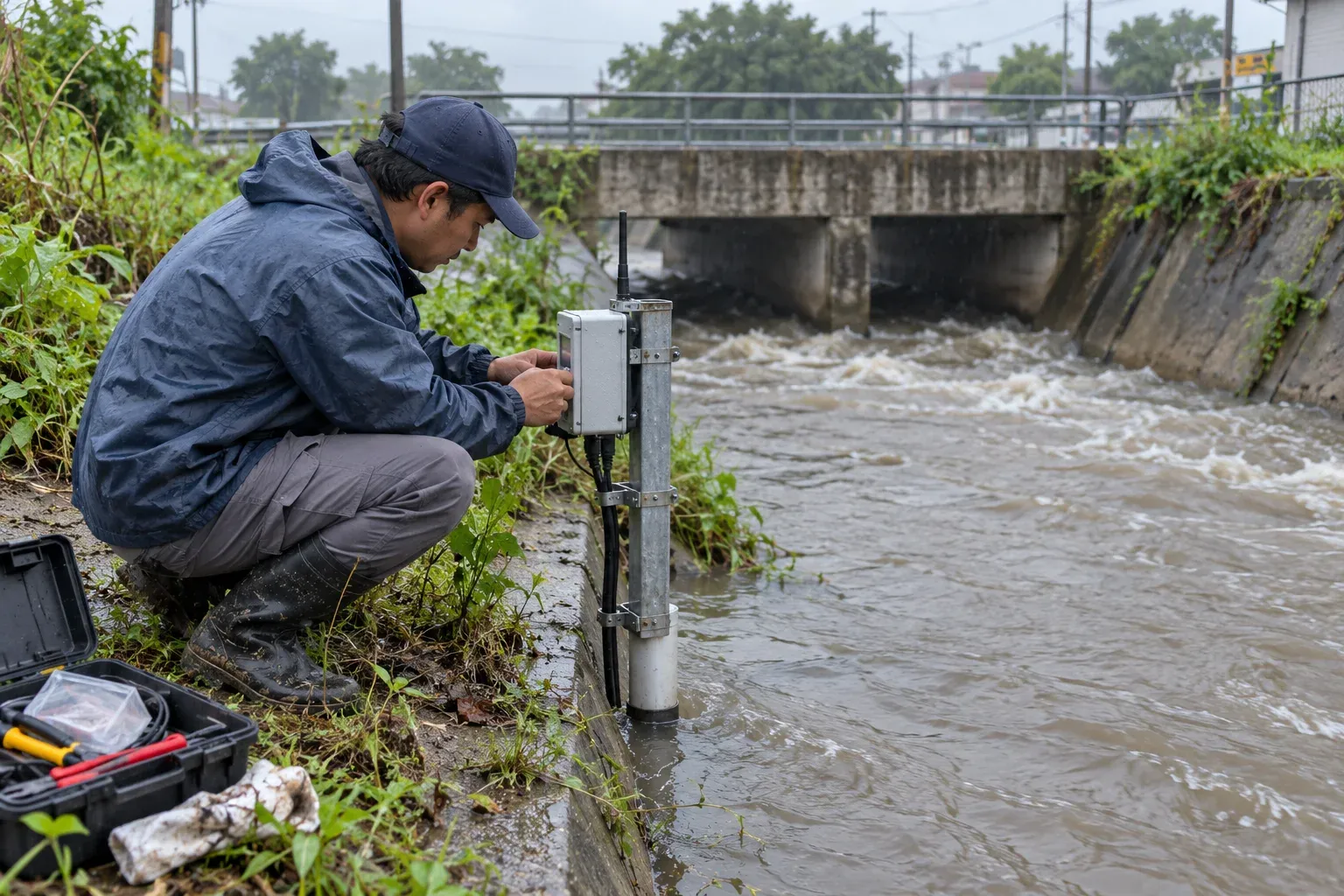
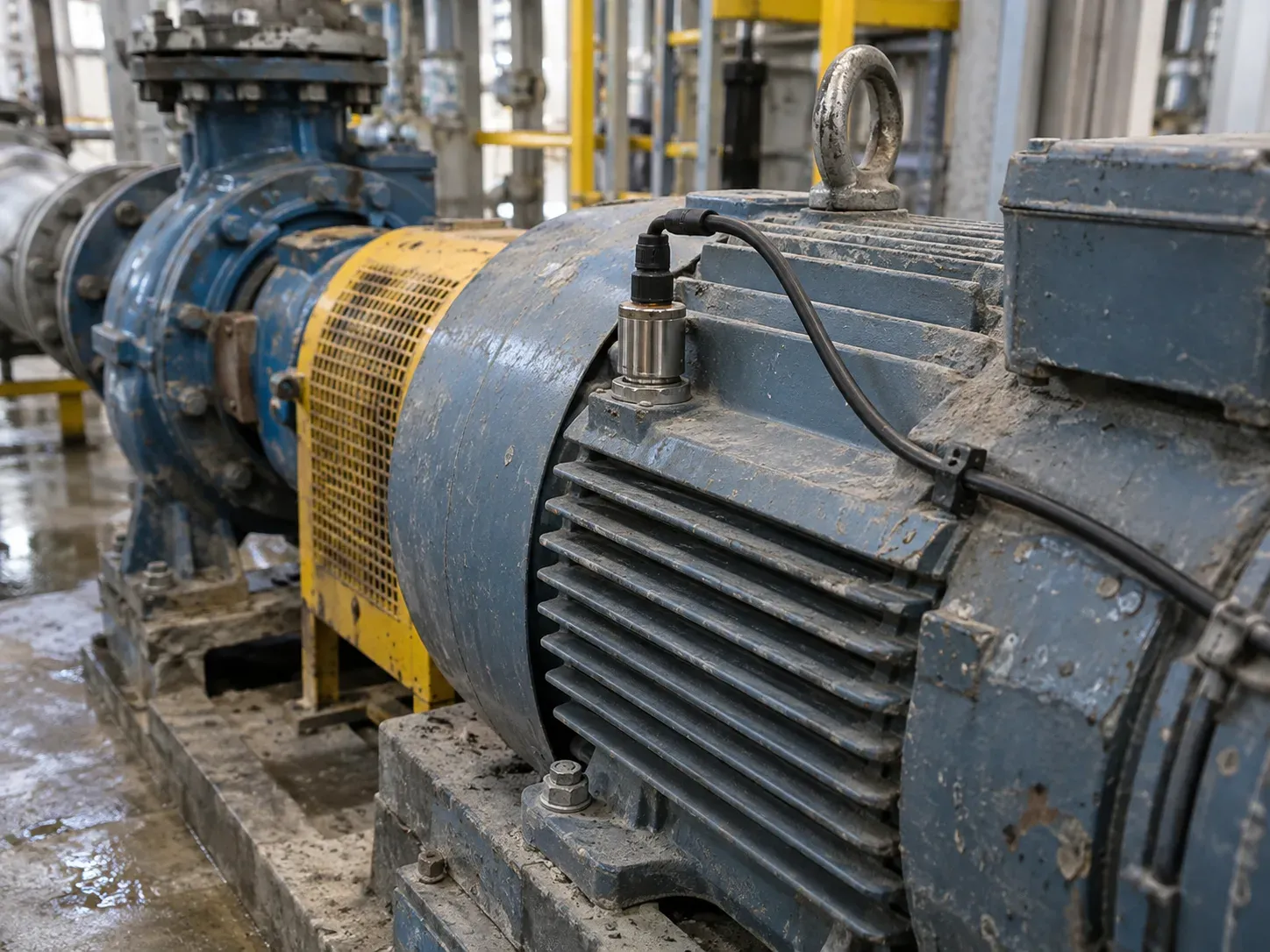
Editorial images help explain the scope. Project photos are added when we have permission to publish them.
What you get
- Definition of the operational question and minimum variables needed
- Review of signals available in a PLC, controller, machine or system
- Criteria for selecting sensors, acquisition and connectivity when needed
- Design of history, dashboards, permissions, alerts and outage handling
- A focused pilot with criteria for validating data quality and usefulness
What we need from you
- An equipment, process or asset whose operation can be described with examples.
- Access to technical documentation or support from someone who knows the installation.
- A concrete decision the data should help someone make.
What is not included
- Adding sensors before defining which decision the measurement should improve.
- Promising predictive maintenance without a testable history, variable and method.
- Assuming universal compatibility with PLCs, protocols, machines or network coverage.
Frequently asked questions about this solution
Do we always need to install sensors?
No. We first check whether the equipment, PLC, controller, meter or system already produces a reliable and technically accessible signal. Hardware is added only when the variable is missing or insufficient for the decision.
Can I monitor an older machine?
Often, yes, but it depends on available signals, access, environment and how data can be powered and transmitted. We assess each machine instead of assuming universal compatibility.
Does IoT mean sending everything to the cloud?
No. Depending on criticality and connectivity, the solution can combine local processing, temporary storage, later synchronization and remote services.
Does monitoring guarantee predictive maintenance?
Not by itself. Prediction requires enough history, data quality, a variable related to the failure mode and a method that can be evaluated.
Which industrial IoT sensors do I need?
It depends on the variable and the decision. Temperature, vibration, current, level, flow, pressure or presence are different options. First check whether the PLC or equipment already exposes a reliable signal; then assess sensor, acquisition, and protocol.
How much does a monitoring pilot cost?
It depends on the number of variables, sensors, connectivity, storage, and alerts. We propose a scoped pilot with acceptance criteria before quoting; there is no single price.
What is the difference between monitoring and alerts?
Monitoring shows status and history; alerts turn a deviation into a notification with an owner and an expected action. A system can monitor without alerting, but it should not alert without an owner.
What does real-time industrial monitoring mean?
It depends on the decision: seconds for a critical stop, minutes or hours for a trend. Define acceptable latency first, then connectivity; not everything needs the same refresh rate.